Home / Resources / Case Studies

Case Studies — How Our Programs Actually Run

Anonymized walkthroughs of four program types we run for wholesalers, TV manufacturers, repair distributors and EOL buyers — process, paperwork and conditions.

A case study is only useful if it shows the process, not just a happy quote. Each walkthrough below follows the same seven stages — requirement, difficulty, specification confirmation, inspection and packaging, shipping, acceptance, and the conditions the case applies to. Where a figure appears, it is the range recorded for that program type in our order records; where a document appears, it is paperwork we issue on every order of that type.

ℹ
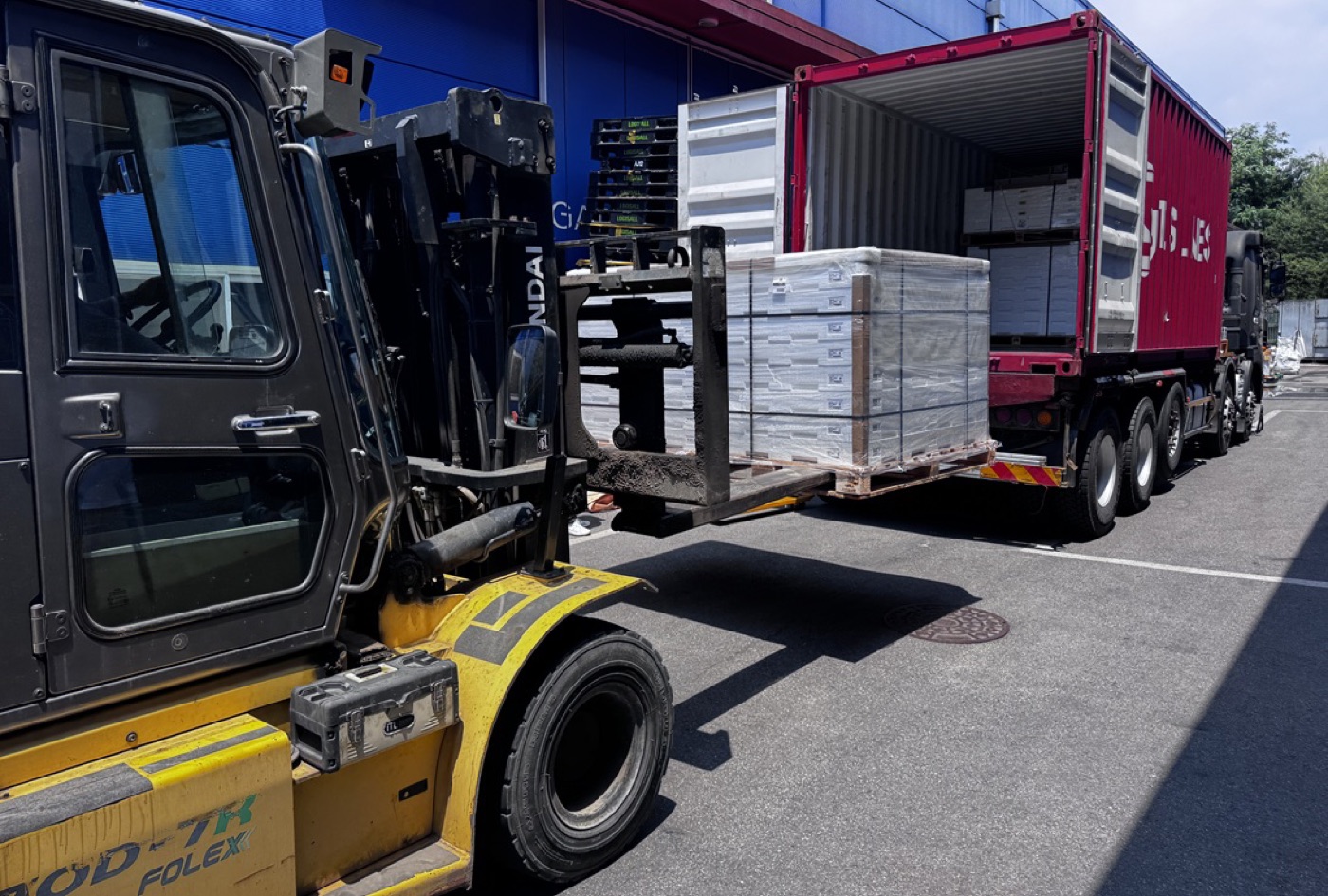
How to read these walkthroughs. Client names are withheld — the buyers behind these programs have not been asked for naming permission, so all walkthroughs are anonymized. Quantities are shown as the ranges we ship on these program types (from our order records), not as a single audited shipment; no dates are disclosed for the same reason. Process photos are our standard operation, not a specific batch. Each walkthrough ends with the conditions it applies to — these are process descriptions of how we work, not blanket commitments for every product or market. Detailed case references are shared during your RFQ where confidentiality allows.
Case walkthrough · Wholesaler

Mixed-container program for a panel wholesaler

Buyer profile: panel wholesaler, Middle East market · recurring mixed orders · 55" 4K container lots in the 200–500 pcs range recorded for this program type

1 · Customer requirementThe buyer resells open cell panels across several brands and needed one supplier who could consolidate a mixed list — different brands, sizes and grades in a single shipment — instead of placing separate orders per brand and paying freight three times.
2 · Sourcing or delivery difficultyMixed orders fail in predictable ways: grades that differ between brands in the same carton, packing lists that do not match what is inside the pallets, and loading plans that only surface after the container is booked.
3 · Model & specification confirmationThe buyer sent a versioned list (model + quantity per line). Each line was answered against current stock with its written grade, and suffix/revision conflicts (e.g. same series, different suffix) were flagged back with the datasheet before pricing.
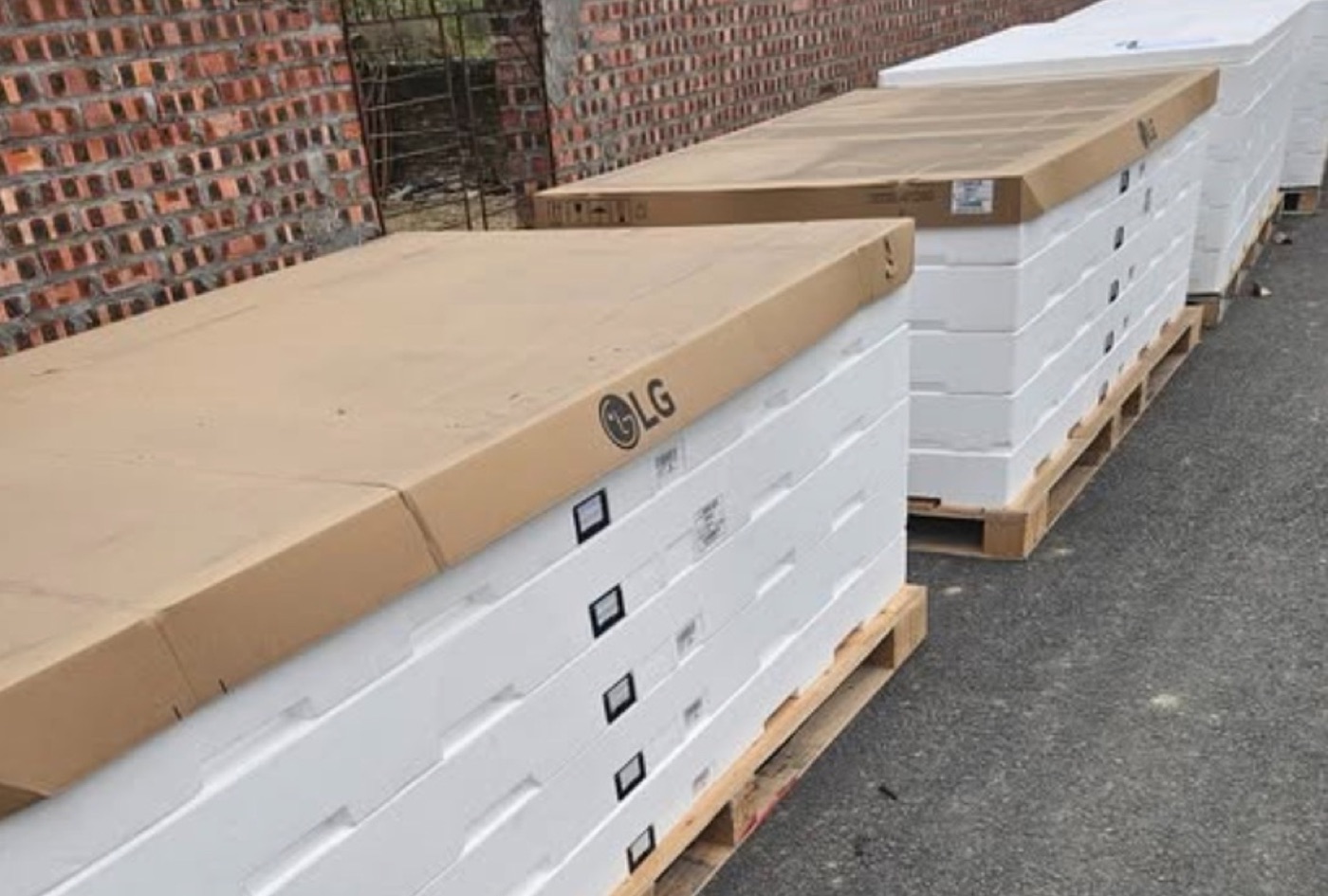
4 · Inspection & packagingPanels were inspected and graded per line before packing. Export cartons with foam protection were palletized per the packing list, so every pallet mapped to specific lines on the document the buyer would check on arrival.
5 · Shipping arrangementA loading plan was shared and agreed before container booking. Shipment moved FOB Shenzhen with the dated quotation, packing list and batch photos issued as the document set.
6 · Acceptance resultThe buyer checked received cartons against the packing list per pallet; grade and quantity lines on the quotation served as the claim reference. Discrepancy handling follows the written warranty process — inspection window, carton photos, serials.
7 · Conditions this applies toThis walkthrough describes mixed-container wholesale programs from our regular business. Quantities, model mix and market vary by buyer; grades and terms are fixed per quotation, not by this page.
Case walkthrough · TV manufacturer

Allocated panel supply for a TV assembly program

Buyer profile: TV assembler, South Asia market · recurring production program · 43" FHD LCL replenishment in the 50–150 pcs range recorded for this program type

1 · Customer requirementAn assembly line running multiple sizes needed the panel side of its BOM supplied as one program — allocated quantities per model against the production schedule, not spot purchases that stall the line.
2 · Sourcing or delivery difficultyProduction schedules fail when panel supply is verified too late: a model quoted as available in January can be gone when the release date arrives, and a wrong-suffix panel discovered at the line means rework.
3 · Model & specification confirmationThe panel BOM was quoted as one program. For each line the exact suffix was pinned to the datasheet, interface and mechanical fit were confirmed before the pilot, and EOL models triggered the structured replacement review with samples.
4 · Inspection & packagingEach release was inspected and graded against the program spec, packed per the agreed standard (foam + carton, palletized for container releases), and re-confirmed in writing before dispatch.
5 · Shipping arrangementReplenishment moved as LCL sea freight in the recorded range, with door-to-door air freight reserved for urgent line-down replenishment. Every dispatch matched the agreed release plan.
6 · Acceptance resultLine-side acceptance ran against the release confirmation: grade and quantity per model as written, with the pilot validation pack (samples, datasheets, grade list) as the reference standard.
7 · Conditions this applies toAllocation and locked pricing apply to program-volume builds on core models, agreed per program. Spot quantities outside the program follow standard quotation terms.
Case walkthrough · Repair distributor

Small-lot supply for a repair parts distributor

Buyer profile: repair parts distributor, Southeast Asia market · frequent small orders · 43" FHD lots and single-model top-ups; small-lot dispatches of 10–50 pcs recorded for this program type

1 · Customer requirementThe buyer supports workshops across many TV models — many part numbers, few pieces each — and had been rejected by suppliers enforcing bulk-only MOQs on stocked models.
2 · Sourcing or delivery difficultyThe expensive error in repair supply is the wrong-suffix order: a panel that looks identical but fails on interface or firmware, discovered only after the workshop installs it.
3 · Model & specification confirmationThe buyer sent label photos from the sets being repaired. Each part number was verified against the datasheet — suffix and revision — and mismatches were flagged before quoting, not after shipping.
4 · Inspection & packagingOrders in the single-unit to small-lot range were packed in export cartons with foam protection; repair parts (backlight kits, boards) were consolidated into the same shipment where the sizes matched.
5 · Shipping arrangementSmall lots moved by air freight door-to-door for urgency, or consolidated into sea shipments when the buyer was already importing panels — cutting freight per unit.
6 · Acceptance resultThe buyer verified suffix and grade on receipt against the verification note issued with the quotation; grade lines were stated in writing per batch with batch photos attached before payment.
7 · Conditions this applies toSmall-lot terms apply to stocked models; grade availability follows the current batch. This walkthrough describes the repair-channel process, not a guarantee of every model being in stock.
Case walkthrough · EOL buyer

Discontinued panel replacement review

Buyer profile: display builder, Europe market · one-off EOL review with follow-on program · replacement reviews and 10–50 pcs validation lots recorded for this program type

1 · Customer requirementThe panel in the buyer's build was discontinued by the original maker. The build was live, so the replacement had to match interface and mounting — not just screen size.
2 · Sourcing or delivery difficultyThe classic EOL failure: ordering a "similar" panel that fails on connector pinout or mounting geometry, discovered after tooling and freight are already committed.
3 · Model & specification confirmationThe original model was identified from the part number and label photo. The five-step review ran: locate remaining original stock (honest answer including "no"), shortlist alternates from the program matched on size, resolution, interface and mounting, and write out the differences.
4 · Inspection & packagingValidation samples (10–50 pcs range) shipped with both datasheets. Packing followed the same export standard as regular orders so the samples arrived in testable condition.
5 · Shipping arrangementSamples moved by air freight door-to-door for speed; the follow-on volume program moved per the buyer's schedule once validation was signed off.
6 · Acceptance resultThe buyer validated on their own hardware and signed off before volume was quoted. Only then did the substitute move onto a program with written grades and schedule.
7 · Conditions this applies toReplacement outcomes depend on what the program stock supports; an alternate is only proposed after the four-constraint match. This walkthrough is a process description, not a promise that every discontinued model has a verified substitute.
Verify before you buy

Ask for the reference that matches your profile

If your buying profile resembles one of the walkthroughs above, tell us your market and volume — during your RFQ we share the relevant case reference where confidentiality allows, including the document set for that program type (dated quotation, packing list, batch photos, loading plan).

Case walkthroughs

Representative order profiles, end to end

From enquiry to container loading — what a typical order looks like at each step.
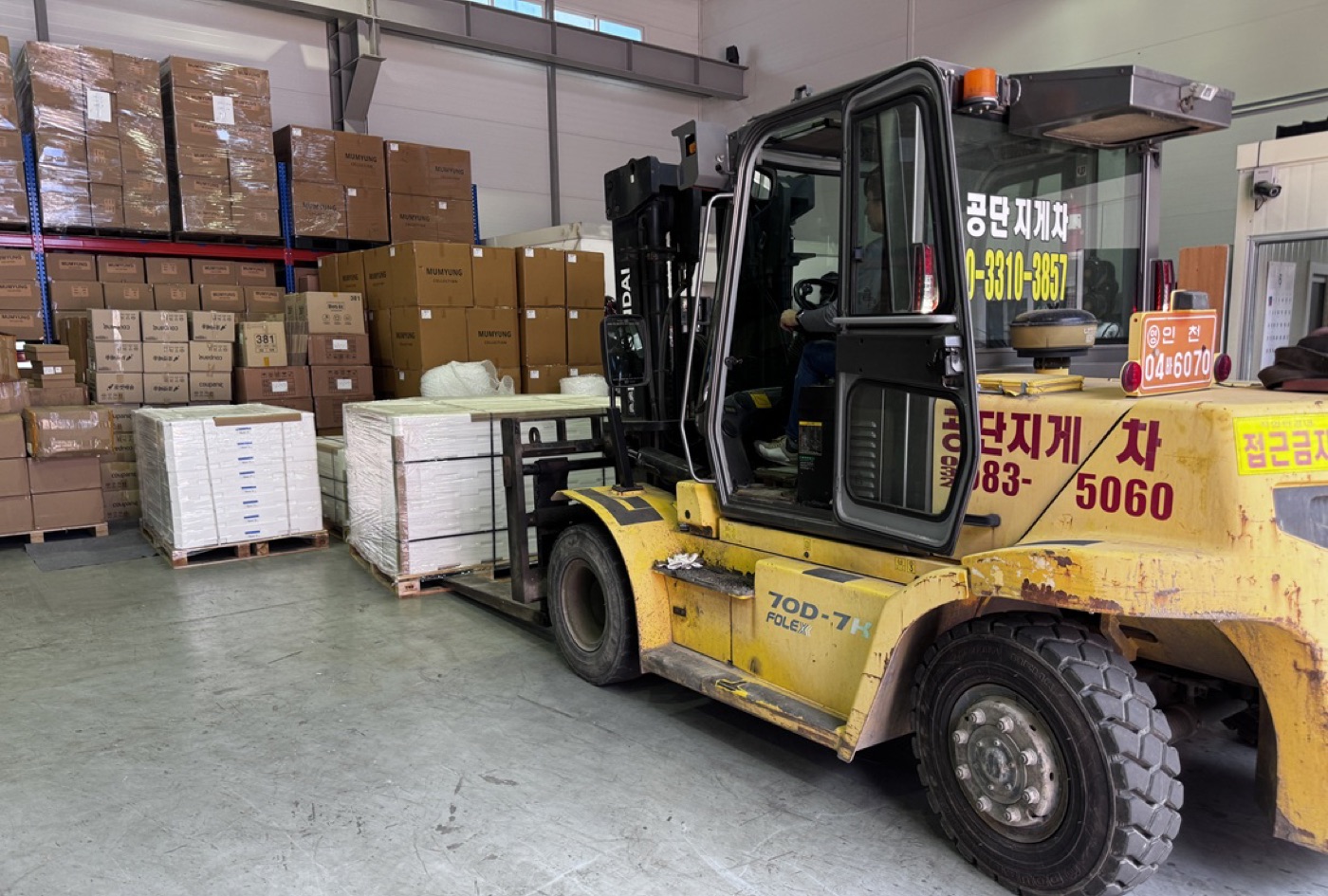
Warehouse picking for a wholesale order
Order picking — reference
Container loading for an export order
Container loading — reference
Export cartons staged for dispatch
Export staging — reference