Open cell vs complete LCD module compared: contents, buyers, availability and how each is ordered — so your RFQ says exactly what you mean.
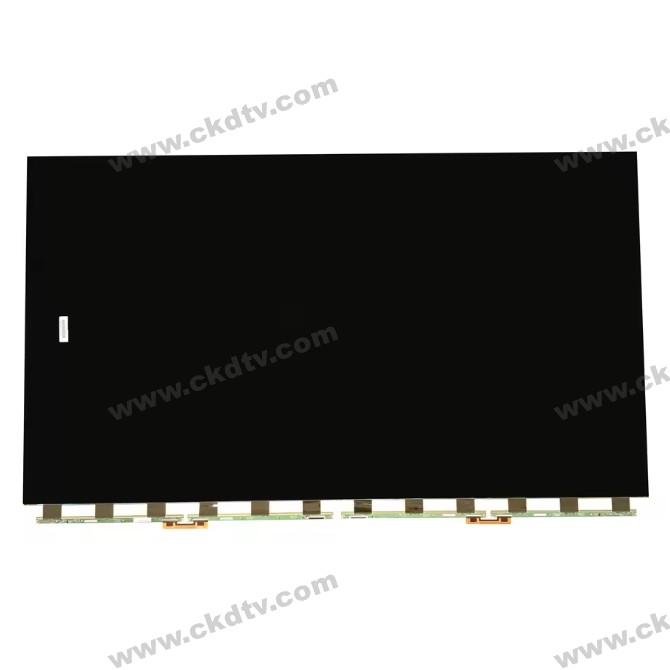
"Open cell" and "LCD module" are often used loosely — and in panel sourcing, loose terminology turns into wrong orders. This guide fixes the vocabulary so your RFQ says exactly what you mean.
| Open cell | Complete LCD module | |
|---|---|---|
| What it is | LCD glass + TFT drive + integrated backlight | Open cell plus assembled T-CON board and configured backlight set |
| Electronics on board | None — panel side only | T-CON mounted; ready to pair with a main board |
| Typical buyer | TV factories, SKD/CKD builders, repair chains | Signage, marine, transport and custom display builders |
| How it is bought | By model number from a stocked catalog | By project specification (size, resolution, interface, brightness) |
| Availability | Program stock, confirmed per enquiry | Configured case by case against stock |
If you need panels for TV assembly, you almost certainly need open cells — adding a factory T-CON configuration would only add cost and a component you will replace with your own board set.
If you are building a display (not a TV) and your housing and board set expect a module — a specific connector position, brightness target or T-CON placement — then the module route is right, and the order is specified by project, not by catalog line.
Whichever format you buy, the model number discipline is the same: the full suffix decides compatibility. If your RFQ says only "65 inch 4K panel", the reply can only be a question. Send the complete part number and the reply is a quotation.